








Then, in February 2020, people around the world searched for immune-boosting foods, typing queries about how to support your immune system with food into their browsers. Grocery shelves in cities from Milan to Mumbai were stripped of citrus fruits. Vitamin C had become a kind of edible talisman. It felt logical: eat oranges, avoid illness. But nutrition science is less about miracle foods and more about patterns. Over time, those patterns quietly shape how the immune system behaves.
Seasonality adds another layer. First, winter needs differ from summer needs. What helps in heat, humidity, or long sun-filled days is not the same. Also, the foods that support immunity often overlap with those that support gut health, inflammation control, and even sleep. That’s where things get interesting.
Winter Immunity: More Than Just Vitamin C
However, cold weather doesn’t directly weaken your immune system; it changes behavior. As a result, people spend more time indoors, respiratory viruses spread more easily, and sunlight drops, lowering vitamin D levels. Nutrition becomes a compensating force.
Vitamin D and Fatty Fish
For example, one of the most studied links between diet and immunity is vitamin D. In 2017, a large BMJ meta-analysis led by Adrian Martineau at Queen Mary University of London found this: vitamin D cut acute respiratory infections, especially in deficient people.
Food sources matter here, especially in winter when sunlight exposure is limited. Fatty fish stand out:
- Salmon (especially wild-caught sockeye)
- Mackerel
- Sardines
For example, a 100-gram serving of salmon can provide between 360–685 IU of vitamin D, depending on the species. That’s a significant chunk of the 600–800 IU daily intake recommended by many health authorities.
Also, egg yolks and fortified dairy products help too, though in smaller amounts. Still, the data suggests that diet alone may not fully correct deficiency in regions with long winters. That’s a limitation worth acknowledging.
Fermented Foods and Gut Immunity
Also, about 70% of the immune system is in the gut. Researchers often cite this in research papers, including work from Harvard Medical School. That doesn’t mean gut health is everything—but it’s not trivial either.
Fermented foods introduce beneficial bacteria that can influence immune signaling:
- Yogurt with live cultures (look for Lactobacillus strains)
- Kefir
- Sauerkraut and kimchi
A 2021 Stanford study led by Christopher Gardner found that fermented foods increased microbiome diversity. It also lowered inflammation markers like IL-6 over 10 weeks. That’s not a direct measure of immunity against infection, but inflammation plays a role in immune regulation.
Root Vegetables and Beta-Carotene
Winter produce tends to be less colorful—but root vegetables carry their own advantages. Carrots, sweet potatoes, and squash are rich in beta-carotene, which the body converts into vitamin A.
Vitamin A helps keep mucosal barriers intact. These linings in the respiratory and digestive tracts are the body’s first defense against pathogens. According to the National Institutes of Health (NIH), low vitamin A raises infection risk, especially in children.
Roasted sweet potatoes may not feel medicinal. But they’re doing quiet work.
Summer Immunity: Hydration, Antioxidants, and Heat Stress
Summer brings a different set of physiological challenges. Dehydration, UV exposure, and heat-related stress can all affect immune function. The goal shifts slightly—from fortifying defenses against respiratory viruses to managing oxidative stress and maintaining fluid balance.
Water-Rich Fruits and Electrolytes
Watermelon is about 92% water. Cucumbers are close behind. These foods don’t just hydrate; they also provide small but useful amounts of vitamins A and C.
Citrus fruits—like oranges, lemons, and grapefruits—still matter in summer. They do not “boost” immunity dramatically, but vitamin C supports normal immune function and acts as an antioxidant.
There’s a limit to its effect. Linus Pauling popularized high-dose vitamin C decades ago. But large Cochrane reviews show it may slightly shorten colds without reliably preventing them.
Still, in hot weather, when oxidative stress from UV exposure increases, antioxidants have a clearer role.
Berries and Polyphenols
Strawberries, blueberries, and blackberries are rich in polyphenols—plant compounds linked to reduced inflammation and improved immune response.
A 2018 review in Frontiers in Immunology highlighted that polyphenols can modulate immune cell activity and influence gut microbiota composition. That’s a complex chain of effects, and the clinical implications are still being studied. The data here is promising but not definitive.
What is clear: berries offer a dense package of nutrients with relatively low sugar compared to many processed snacks.
Tomatoes and Lycopene
Tomatoes peak in summer, and they bring lycopene—a carotenoid linked to protection against oxidative stress. When tomatoes are cooked, lycopene becomes easier to absorb, as in sauces.
Some studies, including research in The American Journal of Clinical Nutrition, link higher lycopene intake to lower inflammation markers. Again, not a magic bullet, but part of a broader dietary pattern.
Garlic, Ginger, and the Myth of “Superfoods”
No discussion of immunity escapes garlic and ginger. They’ve earned their reputation, but often in exaggerated ways.
What the Evidence Actually Says
Garlic contains allicin, a compound with antimicrobial properties. A small randomized trial published in Advances in Therapy (2001) found fewer colds in people taking garlic supplements. But the study was modest in size, and replication has been limited.
Ginger has anti-inflammatory effects and may help with nausea and digestion. Some lab studies suggest it can influence immune pathways, but clinical evidence in humans is less robust.
So yes, they’re useful. But they’re not shields.
As Dr. Marion Nestle, a nutrition professor at New York University, has argued this in public talks and writing. She says the idea of “superfoods” distracts from the bigger picture: “Health comes from dietary patterns, not single foods.”.
That’s the part people resist. It’s less exciting.
The Overlooked Factor: Protein and Micronutrient Balance
It’s easy to fixate on vitamins and antioxidants. But immune cells are built from protein. Antibodies, cytokines, and many components of the immune response rely on adequate protein intake.
Zinc, Iron, and Real Deficiencies
Zinc plays a role in immune cell development and communication. Foods rich in zinc include:
- Oysters (among the highest sources)
- Red meat
- Pumpkin seeds
Zinc deficiency has been linked to impaired immune function, particularly in older adults. According to the NIH, even mild deficiency can affect immune response.
Iron is another critical nutrient, especially for women of reproductive age. Low iron levels can reduce the body’s ability to mount an effective immune response.
These aren’t trendy nutrients. But they matter.
Seasonality Is a Guide, Not a Rule
Eating seasonally often aligns with nutritional needs—citrus in winter, berries in summer—but it’s not a strict prescription. Modern food systems blur these lines. You can buy blueberries in January and oranges in July.
The more useful principle is diversity.
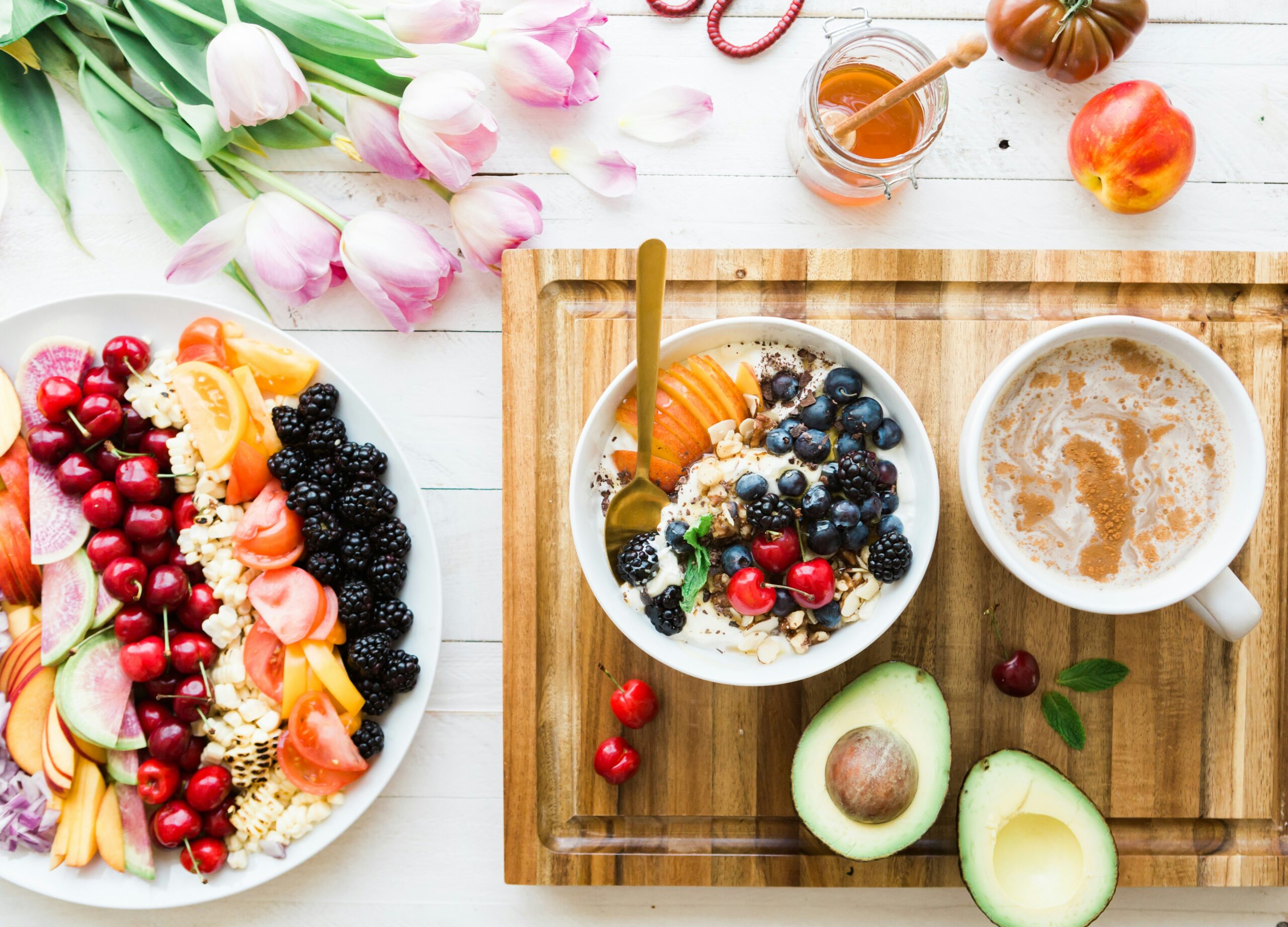
A diet with fatty fish, fermented foods, colorful vegetables, fruits, nuts, seeds, and enough protein supports immune function all year. Not perfectly. Not predictably. But consistently.
There’s a quiet honesty in that. No single food will keep you from getting sick in January or sunburned in July. But over months and years, these choices accumulate into something more durable than any “boost.”