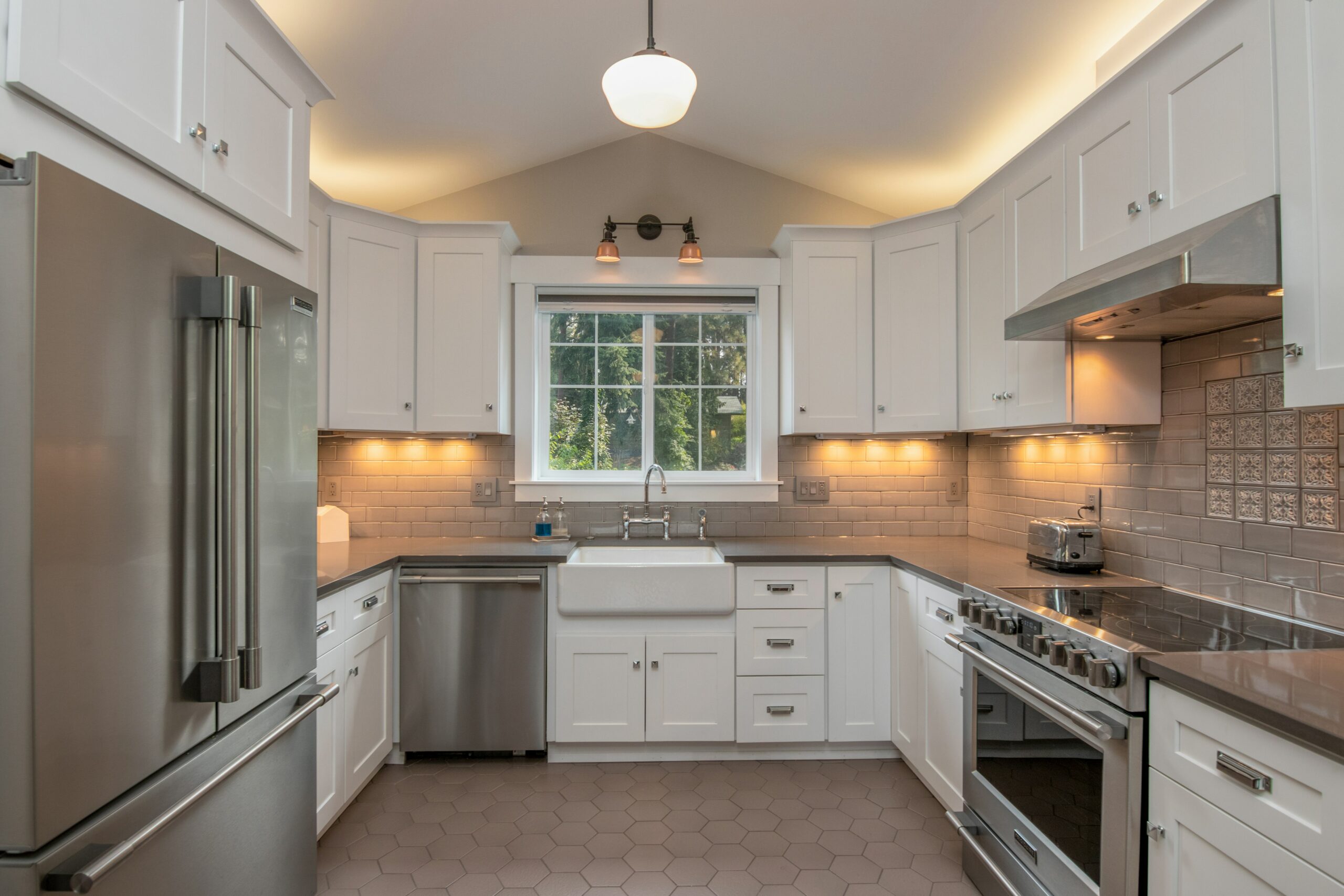









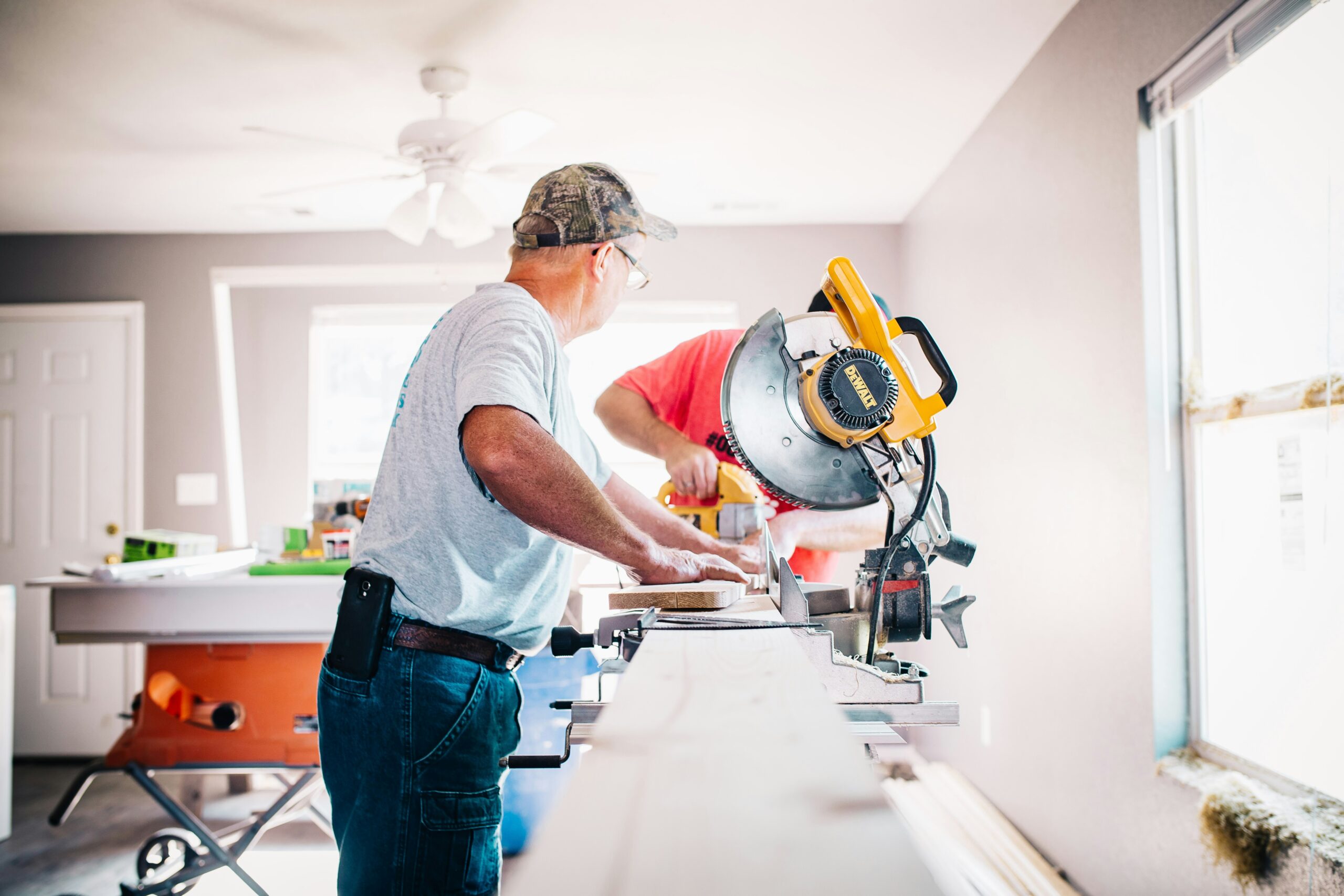
Also, at 7:12 a.m., someone in Phoenix types “home renovation near me” into their phone. They stare at a cracked tile floor. It’s not a research project. It’s a small moment of frustration turning into a financial decision that could easily run past $50,000.
That phrase—simple, local, urgent—has become one of the most commercially valuable search terms in housing. And yet most homeowners using it don’t fully understand what they’re stepping into: a fragmented industry, wildly uneven pricing, and a mix of craftsmanship and chaos that depends almost entirely on who shows up at your door.
Also, the Local Renovation Economy Is Bigger Than It Looks.
Home improvement isn’t just a side industry—it’s enormous. Also, Americans spent roughly $472 billion on home renovations and repairs in 2022, according to Harvard’s Joint Center. Projections have stayed near that level into 2025, despite higher interest rates.
That money doesn’t flow to a handful of national brands. It disperses across tens of thousands of small contractors, many operating within a 20-mile radius.
Why “Near Me” Matters More Than Ever
Also, Google Trends data shows that searches including “near me” have grown more than 200% over the past five years. In home services, proximity isn’t just convenience—it’s risk management.
Local contractors:
- Know municipal permit rules (which vary wildly—Los Angeles requires seismic compliance checks; Dallas often doesn’t)
- Have relationships with inspectors
- Can source materials faster through regional suppliers like ABC Supply or Ferguson
And yet, “near me” can be misleading. A company ranking at the top of your search results may simply be good at digital marketing, not construction. Also, HomeAdvisor (now Angi) and Thumbtack listings often prioritize paid placements. The better contractor might be on page three with no website at all.
A Patchwork Industry With No Standard Playbook
Unlike medicine or law, home renovation has no universal licensing standard in the U.S. Requirements vary by state:
- California requires contractors to be licensed through the CSLB (Contractors State License Board)
- Texas has no statewide licensing for general contractors
- New York requires licensing at the city or county level
This inconsistency shows up in the results. A homeowner in San Diego is far more likely to encounter formally credentialed contractors than someone in rural Oklahoma.
And even licensing doesn’t guarantee quality. It guarantees paperwork.
What Projects Actually Cost in 2026
The phrase “home renovation” covers everything from repainting cabinets to gutting a house. The price spread is enormous—and often misunderstood.
According to Remodeling Magazine’s 2024 Cost vs. Value Report (one of the most cited industry benchmarks), here’s where typical midrange projects land:
- Kitchen remodel: $27,000–$80,000 depending on scope
- Bathroom remodel: $12,000–$35,000
- Roof replacement: $9,000–$25,000
- Major home addition: $100,000+
But those numbers are averages. In practice, geography dominates pricing.
Regional Price Swings Are Extreme
In San Francisco, a full kitchen renovation can easily exceed $100,000. Labor rates for skilled trades hover above $75 per hour. In contrast, the same project in parts of the Midwest—say, Columbus, Ohio—might come in closer to $45,000.
Material costs are less variable than labor, but still volatile. Lumber prices, for example, spiked above $1,600 per thousand board feet in 2021, dropped sharply, and have continued fluctuating. That instability still echoes through contractor bids today.
The Hidden Costs That Blow Up Budgets
Ask any contractor what derails a project, and you’ll get the same answer: what’s behind the walls.
Old wiring. Water damage. Unpermitted additions.
A 2023 Houzz survey found nearly 1 in 3 homeowners went over budget. Most blamed unexpected structural or electrical problems discovered mid-project.
There’s no clean way around this. Even the best inspection can miss problems. A good contractor will warn you upfront; a bad one will act surprised later and charge accordingly.
Choosing a Contractor Is Less Rational Than You Think
People believe they choose contractors based on logic—price, timeline, credentials. In reality, the decision often comes down to something softer: trust formed in a 45-minute conversation.
That’s risky.
Reviews Are a Blunt Instrument
Online reviews help, but they’re far from reliable. A 2022 study in the Journal of Marketing Research found that service-based reviews are prone to bias. Customers are more likely to leave feedback after very good or bad experiences, not average ones.
And in renovation, “average” is most of the work.
Yelp, Google, and Angi reviews also skew toward communication style rather than build quality. A contractor who texts updates promptly may get five stars even if their tile work is mediocre.
What Professionals Actually Look For
When developers or experienced property investors hire contractors, they focus on different signals:
- Detailed line-item bids (not lump sums)
- Proof of insurance, including general liability and workers’ comp
- A portfolio of completed projects with addresses you can verify
- Subcontractor consistency (the same electrician, plumber, etc.)
I once spoke with a small-scale developer in Denver who put it bluntly: “If they can’t tell you who their drywall guy is, they don’t have a real team.”
That level of scrutiny rarely shows up in a typical “near me” search.
The Technology Layer Is Changing—Slowly
There’s been a steady push to modernize home renovation through software. Some of it works. Much of it doesn’t.
Platforms like Houzz Pro, Buildertrend, and CoConstruct aim to streamline communication, budgeting, and scheduling. Larger firms use them effectively. Smaller contractors often don’t bother.
AI and Estimation Tools
New AI-driven tools can generate renovation estimates from photos or floor plans. Companies like Hover use computer vision to measure spaces from afar. Others try to predict costs from past data.
The promise is appealing: faster quotes, fewer surprises.
The reality is messier. These tools struggle with older homes, custom work, and regional quirks. A 1920s bungalow in Chicago behaves very differently from a 1990s suburban house in Arizona.
The data is improving, but it’s not authoritative yet.
Supply Chains Have Stabilized—Mostly
After the disruptions of 2020–2022, material availability has improved. Lead times for windows, appliances, and fixtures are shorter, though not fully back to pre-pandemic norms.
Still, some categories—custom cabinetry, for instance—can take 12 to 20 weeks depending on the manufacturer.
That lag shapes everything. A project timeline isn’t just about labor; it’s about what’s sitting in a warehouse.
A Counterintuitive Reality: DIY Isn’t Always Cheaper
There’s a persistent belief that doing it yourself saves money. Sometimes it does. Often it doesn’t.
Harvard’s housing research center has noted that DIY activity tends to rise during economic downturns. But the savings vary widely. Mistakes are expensive. So is your time.
Electrical and plumbing work, in particular, can create long-term liabilities if done incorrectly. Fixing a failed DIY job often costs more than hiring a professional from the start.
And yet, small projects—painting, minor landscaping, fixture replacements—still make sense for homeowners willing to learn.
The line between DIY and professional work isn’t fixed. It’s situational.
What That Search Really Means
“Home renovation near me” sounds like a question. It’s actually a shortcut.
It compresses a dozen decisions into three words: budget, scope, trust, timing, risk tolerance. The search engine returns names, but not clarity.
And that’s the uncomfortable part. No algorithm can tell you whether a contractor will show up on time, manage subcontractors well, or care about details.
Those things reveal themselves slowly, often after contracts are signed and walls are open.
So the real work begins after the search results load. Not before.