









In 2023, anyone wondering what affects car insurance rates could look to the United States, where full-coverage policies cost more than $2,000 a year for the first time. That shows what drives premiums, according to Insurify and the Bureau of Labor Statistics. By early 2026, in several states, it’s comfortably above that. Florida drivers routinely see premiums north of $3,000. Michigan isn’t far behind.
That sticker shock tends to get blamed on “inflation,” which is true but also incomplete. Auto insurance is quietly complex. Small shifts in repair technology, legal trends, and weather can add up fast.
First, the real cost of fixing a modern car
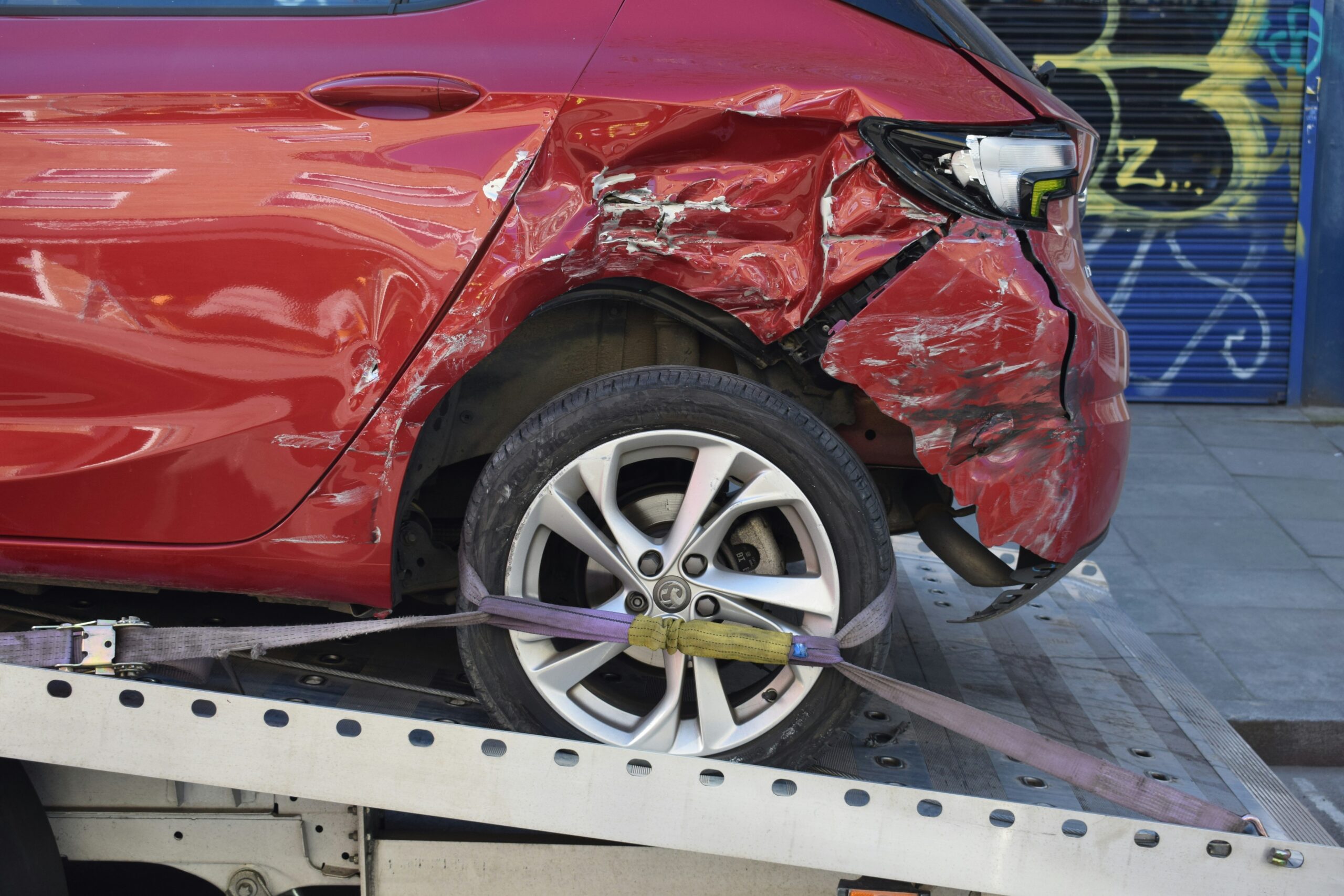
There’s a reason a fender-bender in 2026 feels more like a minor surgical procedure than a simple repair job.
Sensors Everywhere, Bills to Match
For example, a 2024 CCC Intelligent Solutions report found ADAS-equipped vehicles cost about 37% more to repair after a collision. The culprit isn’t just the hardware; it’s calibration.
A cracked bumper used to be cosmetic. Now it may house radar units or ultrasonic sensors. After replacement, those systems need precise recalibration, often done at dealerships with specialized equipment. For example, Mitchell International estimates calibration costs at $300 to $1,500 per incident, depending on the system.
And electric vehicles? Even pricier. For example, a 2025 Cox Automotive study found EV repairs in the U.S. cost about 25% more than similar gas-car repairs. Battery packs complicate everything. A minor impact can trigger full battery inspections, and insurers tend to err on the side of caution.
Labor Isn’t Cheap Either
Meanwhile, the shortage of qualified auto technicians hasn’t gone away. The U.S. Bureau of Labor Statistics estimated a shortfall of tens of thousands of mechanics annually through the mid-2020s. Fewer workers, higher wages. Shops pass those costs along, insurers absorb them, and premiums rise.
It’s a slow squeeze, but a steady one.
Litigation, Fraud, and the Legal Climate
Insurance pricing isn’t just about accidents. It’s about what happens after.
Florida’s Lawsuit Problem
Take Florida. Before 2022 reforms, the state had about 9% of claims but nearly 79% of lawsuits, the Insurance Information Institute says. That imbalance matters.
Legal costs—attorney fees, settlements, drawn-out disputes—feed directly into insurer losses. Companies price that risk in. That’s a big part of why Florida premiums remain among the highest in the country even after legislative changes.
Fraud Isn’t Always Obvious
Staged accidents still happen, but modern fraud is often subtler. Inflated medical billing, exaggerated injury claims, repair shops padding invoices. The Coalition Against Insurance Fraud estimates that auto fraud costs U.S. consumers tens of billions of dollars each year.
Not every suspicious claim is fraud, and insurers don’t catch everything. But they don’t need to. Even a modest percentage of inflated payouts shifts the math.
Climate Risk Has Entered the Equation
A decade ago, hurricanes and wildfires were mostly discussed in the context of home insurance. That’s changed.
In 2024, Hurricane Ian-related auto losses alone exceeded $1 billion, according to Verisk. Vehicles were flooded, totaled, abandoned. Insurers paid out at scale.
Then there’s hail. States like Colorado and Texas have seen repeated billion-dollar hail events, damaging thousands of vehicles at once. Comprehensive coverage—the part of your policy that covers non-collision damage—has gotten more expensive as a result.
And insurers are adjusting where they operate. State Farm and Allstate have both pulled back or restricted new policies in certain high-risk regions, particularly in California. When competition shrinks, prices tend to drift upward.
The Quiet Role of Data and Algorithms
Insurance used to be blunt. Age, gender, driving record, ZIP code. That was the model.
Now it’s far more granular.
Telematics and Behavioral Pricing
Programs like Progressive’s Snapshot or Allstate’s Drivewise track how people actually drive: braking patterns, acceleration, mileage, time of day. In theory, safer drivers get lower rates.
In practice, it’s uneven. A 2023 McKinsey analysis found telematics can cut premiums 10–30% for low-risk drivers. But it can also raise costs for drivers who seem riskier, even without a claim.
There’s also a privacy trade-off that doesn’t sit well with everyone. Some drivers opt out entirely, effectively paying a premium for not being monitored.
Credit Scores Still Matter—Controversially
In most U.S. states, insurers use credit-based insurance scores. The Federal Trade Commission found a link between lower credit scores and higher claim frequency, though the cause remains debated.
Consumer groups, including the Consumer Federation of America, say the practice hits lower-income drivers and communities of color hardest. Several states, including California, Hawaii, and Massachusetts, have banned or restricted its use.
The industry defends it as actuarially sound. Critics call it a proxy for inequality. Both positions have evidence behind them, which is why the policy fight keeps resurfacing.
What Actually Helps Lower Your Premium
There’s no magic trick here. But some levers matter more than others.
Bundling, Deductibles, and the Obvious Stuff
Bundling auto with home or renters insurance can reduce premiums by 10–25%, depending on the carrier. Raising your deductible—from $500 to $1,000, for example—can lower your annual cost, though it shifts more risk onto you.
These are well-known strategies. They work, but they’re incremental.
Shopping Around Still Pays
This is the one people underestimate. A 2024 J.D. Power study found that customers who switched insurers saved an average of $461 annually. Insurers price risk differently, and those differences can be surprisingly large for the same driver profile.
Loyalty doesn’t always get rewarded in this market. Sometimes it’s quietly penalized.
The EV Question
If you drive an electric vehicle, insurance costs may remain elevated for a while. But here’s the catch: some insurers, including Tesla Insurance in select states, use vehicle data to set prices. Early results suggest mixed outcomes—some drivers pay less, others more—but the model is evolving.
It’s hard to say whether this approach will spread industry-wide or remain niche. The data is still thin.
A System Under Strain
Talk to people inside the industry, and a pattern emerges. Margins have been volatile. Several major insurers, including GEICO and Progressive, reported underwriting losses in parts of 2022 and 2023 before raising rates significantly to compensate.
That’s the cycle: losses rise, premiums follow.
But there’s a broader tension building. Cars are safer at preventing fatal crashes, and NHTSA data shows long-term improvement. But they are more expensive to fix when something goes wrong. Fewer catastrophic accidents, more costly minor ones.
It’s not clear where that balance settles.
What is clear is that auto insurance no longer feels like a background expense. It’s becoming a frontline financial decision, shaped as much by technology and climate as by your own driving record. And that shift isn’t slowing down.