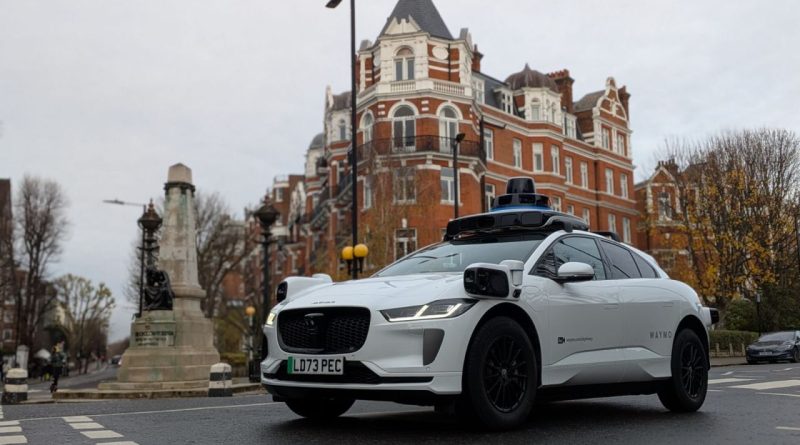
Waymo and Google’s Gemini: The Future of AI-Powered Robotaxis is Here
By AiFlick News Editorial Team | Published: December 26, 2025
The autonomous vehicle industry has taken a massive leap forward today. Waymo, the self-driving technology company owned by Alphabet, has officially begun testing Google’s Gemini AI as an integrated in-car assistant for its robotaxi fleet. This collaboration aims to transform a simple ride into a fully interactive, intelligent experience, moving beyond basic navigation to true conversational AI.
1. Beyond Navigation: What Gemini Brings to Waymo
For years, robotaxis have relied on pre-recorded voices and simple touchscreen interfaces. With the integration of Gemini, Waymo’s passengers can now engage in complex, natural language conversations with the vehicle itself.
- Real-Time Local Insights: Imagine asking your car, “Hey, what’s a good place for a quick Italian dinner near my drop-off that isn’t too crowded?” Gemini can process real-time Google Maps data, reviews, and current traffic to provide a curated recommendation.
- Dynamic Trip Adjustments: Passengers can now verbally request multi-stop trips or change destinations mid-ride without fumbling with an app.
- Multimodal Understanding: The AI can “see” through the car’s sensors (with privacy safeguards) to answer questions like, “What is that interesting building on my left?”
2. Technical Comparison: Standard Robotaxi vs. Gemini-Enhanced Waymo
| Feature | Standard Robotaxi (2024) | Gemini-Enhanced Waymo (Late 2025) |
| Interaction Mode | Touchscreen & Basic Voice | Natural Conversational AI (Gemini) |
| Context Awareness | Limited to Trip Route | High (Local Discovery & Real-time Info) |
| Language Support | 5-10 Major Languages | 40+ Languages with Real-time Translation |
| Personalization | None | Personalized based on Google Workspace Sync |
| In-Car Assistance | Route info only | Virtual Concierge, Entertainment & Productivity |
3. Why This Matters for the Tech Industry (Bullet Points)
- Alphabet’s Synergy: This marks one of the deepest integrations between Google’s AI research (DeepMind/Gemini) and its hardware-heavy autonomous unit (Waymo).
- Competition with Tesla: As Tesla continues to develop its “Full Self-Driving” (FSD) and Robotaxi, Waymo is using its superior software ecosystem (Google Search, Maps, AI) as a major differentiator.
- Passenger Trust: By providing a smart, helpful voice, Waymo aims to reduce the “uncanny valley” feeling of riding in a car with no human driver.
- Safety First: The AI is strictly separated from the core driving system. Gemini manages the “experience,” while Waymo’s specialized Driver AI handles the “steering and braking.”
4. The Future of “Mobile Living Rooms”
Experts predict that as autonomous cars become more like “offices on wheels,” the AI assistant will become the most important part of the vehicle. In the near future, you could be having a Gemini-led brainstorming session or preparing for a meeting while Waymo navigates through heavy city traffic.
Can Gemini see what I am doing inside the car?
No. Waymo has clarified that Gemini’s “multimodal” capabilities are focused on the external environment and passenger requests. Privacy filters are in place to ensure passenger data is protected and not used for ad targeting.
Will this make Waymo rides more expensive?
Currently, there is no extra charge for the AI assistant. Waymo sees this as a core feature to improve the user experience and gain a larger market share.
Can I sync my Google Calendar with the Waymo AI?
Yes, if you choose to opt-in, Gemini can check your calendar to suggest the best route or remind you of upcoming appointments during your ride.
Is this available in all Waymo cities?
Testing has begun in San Francisco and Los Angeles, with plans to roll it out to Phoenix and Austin by early 2026.
image sources
- 1765213202307: © https://aiflick.news