









On a Tuesday morning in February, there are maybe a dozen people on the beach in Ilha Grande, Brazil, one of those hidden honeymoon destinations that somehow still feels untouched. No jet skis. No blaring music. Just long stretches of sand and the occasional fishing boat cutting across green water. It’s the kind of quiet that feels almost staged, except it isn’t. And that’s the point.
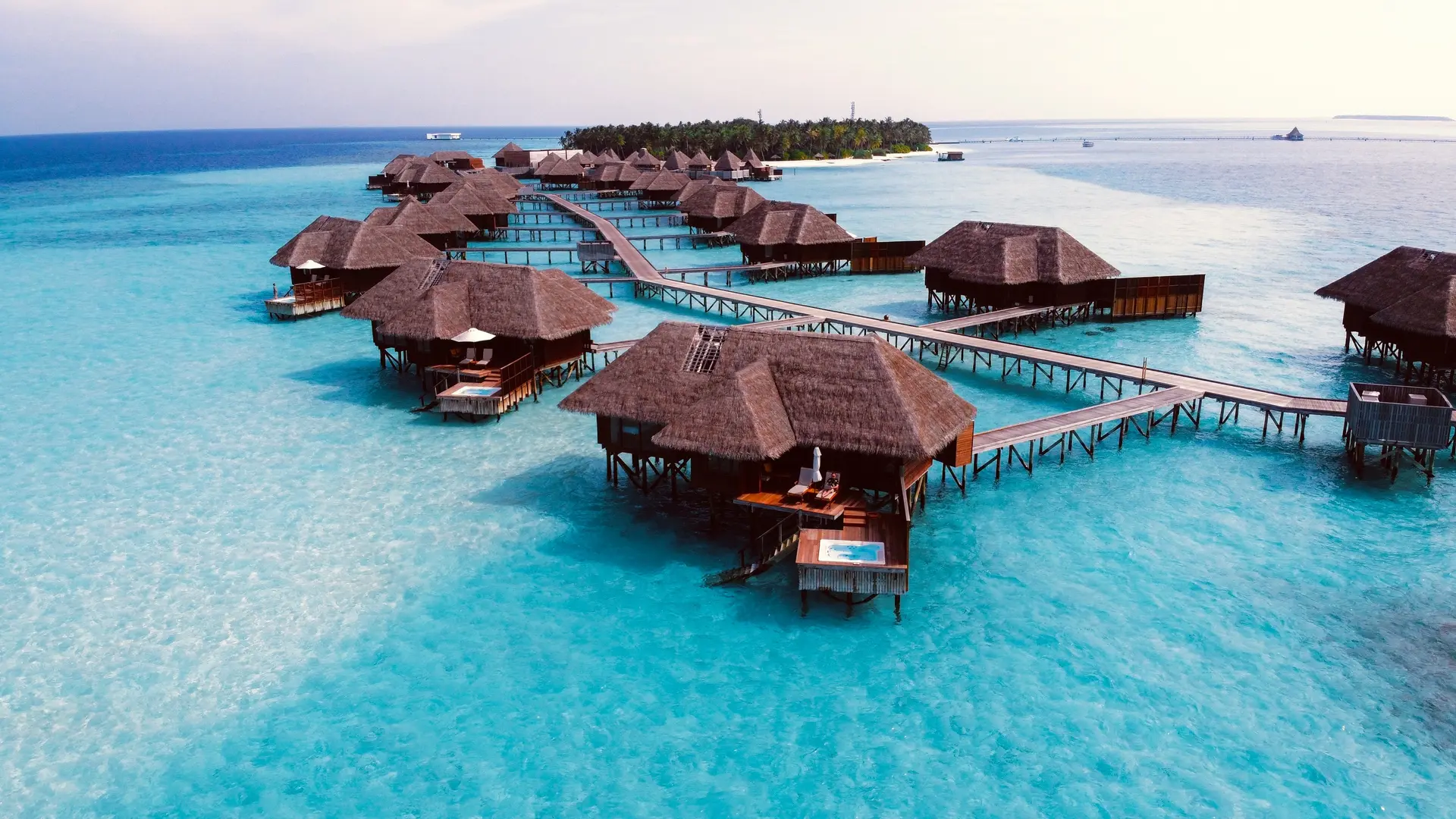
The modern honeymoon has a branding problem. Santorini, Bali, the Maldives — they’re beautiful, yes, but also crowded, algorithmically amplified, and priced accordingly. Increasingly, couples are looking elsewhere. Not just for privacy, but for something that feels like a discovery rather than a checklist.
Here are the places quietly earning that reputation.
Slovenia’s Lake Bohinj, Not Lake Bled
Lake Bled gets the postcards. Lake Bohinj gets the silence.
Just 26 kilometers apart in Slovenia’s Triglav National Park, the two lakes couldn’t feel more different. And Bled has its iconic island church and cliffside castle. In peak summer, it draws up to 10,000 visitors a day, according to Slovenia’s tourism board. Bohinj, by contrast, remains largely under the radar.
The lake itself is larger, wilder, and completely free of motorized boats. Also, couples can rent a rowboat for about €20 an hour. Or they can hike from the shoreline into alpine trails toward Mount Triglav, Slovenia’s highest peak.
Where to Stay Around Bohinj
Hotel Bohinj, reopened in 2020 after a major renovation, leans into minimalist Alpine design — lots of wood, glass, and soft light. In shoulder season, rates hover around €180 per night. That is a fraction of what you’ll pay at high-end resorts in Switzerland for a similar setting.
For something more secluded, the Sunrose 7 hotel (adults-only) has only 18 rooms and a no-TV policy. It sounds gimmicky until you’re there.
Mozambique’s Bazaruto Archipelago
If the Maldives feel overexposed, the Bazaruto Archipelago offers a quieter version of the same fantasy — at least for now.
Located off Mozambique’s southern coast, the archipelago consists of six islands surrounded by protected marine reserves. Dugongs (a rare marine mammal related to manatees) still live here — one of the last viable populations in the western Indian Ocean, according to the World Wide Fund for Nature.
The Reality of Getting There
It’s not easy. Most travelers fly into Vilanculos, then take a helicopter or boat transfer to islands like Benguerra or Bazaruto itself. That friction is precisely why it remains uncrowded.
And yet, the infrastructure exists. &Beyond Benguerra Island operates a luxury lodge with just 10 casinhas. Nightly rates start around $1,200. That sounds steep until you compare them with top-tier Maldivian resorts that regularly exceed $2,000 per night.
Why Couples Choose It
Privacy, mostly. But also the sense of place. Local dhow sailing trips, fresh seafood from nearby fishing communities, and snorkeling over reefs make the appeal clear. The reefs have not been bleached by mass tourism to the same extent seen elsewhere. The data on reef health here is uneven. Marine surveys are sporadic, but conservation groups report lower bleaching than on heavily trafficked Indian Ocean sites.
Japan’s Iriomote Island: The Anti-Tokyo Honeymoon
Japan doesn’t usually scream “honeymoon seclusion,” but Iriomote Island changes that narrative.
Part of Okinawa Prefecture and covered by dense jungle (about 90% of the island is forest), Iriomote has fewer than 2,500 residents. It’s also home to the critically endangered Iriomote cat, a species found nowhere else.
What You Actually Do There
Kayak through mangrove forests along the Urauchi River. Hike to Pinaisara Falls, the tallest waterfall in Okinawa. At night, the sky goes completely dark — a rarity in Japan’s more urbanized regions.
There are no large luxury chains here. Accommodation is mostly small eco-lodges and guesthouses, typically ranging from ¥12,000 to ¥25,000 per night ($80–$170 USD). It’s not polished in the way Kyoto’s high-end ryokan are. But that’s exactly why some couples prefer it.
Colombia’s Barichara: A Town Frozen in Time
Barichara doesn’t try to impress you. It just exists, almost stubbornly unchanged.
In 1978, this small town in Colombia’s Santander department became a national monument. It is known for its white-painted buildings, tile roofs, and cobblestone streets. There’s a reason director Mike Newell chose it as a filming location for Love in the Time of Cholera.
A Different Kind of Romance
No beaches. No overwater villas. Instead, long walks along the Camino Real, an ancient stone path connecting Barichara to the village of Guane. The hike is about 9 kilometers and takes roughly two hours. Long enough for conversation, short enough to avoid turning into a trek.
Boutique hotels like Casa del Presidente offer rooms starting around $150 per night, often with internal courtyards and small pools. It’s understated, but deeply atmospheric.
Tourism numbers here are modest. Colombia’s Ministry of Commerce reported under 50,000 annual visitors to Barichara pre-pandemic — tiny compared to Cartagena’s millions.
Norway’s Lofoten Islands in Winter
Summer in Lofoten is no secret anymore. Winter still feels like one.
Above the Arctic Circle, the Lofoten Islands transform from November to March. The result is sharp peaks, quiet fishing villages, and long polar nights. It’s cold — temperatures often hover between -1°C and 4°C — but that’s part of the draw.
The Northern Lights Factor
Lofoten sits directly under the auroral oval. That makes it one of Europe’s most reliable places to see the Northern Lights. According to the Norwegian Meteorological Institute, clear-sky probability during winter months is around 30–40% on average — not guaranteed, but far from rare.
Couples often stay in restored fishermen’s cabins known as rorbuer. Properties like Svinøya Rorbuer in Svolvær offer units starting at roughly NOK 1,800 ($170) per night.
The Counterpoint
It’s not for everyone. In December, daylight can last just 4 hours. Add unpredictable weather and icy roads, and romantic plans can turn into logistical puzzles. But for couples willing to trade comfort for atmosphere, it delivers something more memorable than another infinity pool.
Why “Hidden” Still Matters — For Now
There’s a paradox here. The more we talk about hidden destinations, the less hidden they become.
Google Trends shows rising interest in terms like “alternative honeymoon destinations” and “less crowded islands” over the past five years. Travel companies have noticed. Intrepid Travel and Responsible Travel both report increased bookings to secondary destinations in 2024 and 2025, particularly in Eastern Europe and parts of Africa.
And yet, access remains uneven. Flights to Vilanculos aren’t increasing at the same pace as flights to Malé. Iriomote still requires multiple transfers. These friction points act as a kind of natural filter.
I’m not convinced they’ll last.
Places like Lake Bohinj are already seeing a spillover effect from nearby hotspots. Barichara is gaining traction on Spanish-language travel platforms. Even Lofoten, once a niche destination, has seen a measurable uptick in winter tourism, according to Statistics Norway.
The window is open, but not indefinitely.
What makes a honeymoon memorable isn’t just the place. It’s the feeling that you arrived before the rest of the world caught on.